Physical systems • Cyber-physical systems • AI models

Intelligent Systems Engineering.

A practical hub for designing AI-powered physical systems—from CCTV and video analytics to IoT, digital twins, multimodal intelligence, and the emerging frontier of world-model-driven Physical AI.

Built around the books Intelligent Video Analytics and Intelligent IoT Analytics, IntelligentXHub explains how to design such systems in the real world: not only the physical and sensing layers, but also the cyber-physical architecture, edge and cloud infrastructure, operational workflows, and the AI models that power perception, reasoning, and action.

Practical, education-ready, and grounded in real-world engineering experience by Dr. Adhiguna Mahendra

Design physical systemsCameras, sensors, devices, compute and field deployment
Design cyber-physical intelligenceData flows, inference pipelines, operations, and decision workflows
Design future AI-native systemsMultimodal models, digital twins, world models and Physical AI
Published technical books

Books that teach how to design real intelligent systems.

These two books are written to be educationally useful for professors and students, and practically useful for architects, system integrators, engineers, and technology teams. They emphasize system design, implementation realities, and field-tested engineering—not abstract AI hype.

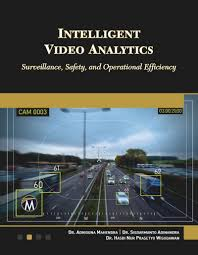
Cover of Intelligent Video Analytics: Surveillance, Safety, and Operational Efficiency
Visual intelligence

Intelligent Video Analytics

Surveillance, Safety, and Operational Efficiency

For academics and practitioners

This book teaches how to design real-world video analytics systems—from cameras, optics, placement and networking to computer vision, edge and cloud infrastructure, operational workflows, and end-to-end solution design. It is useful as a teaching reference for universities and as a practical guide for architects, integrators, solution engineers, and AI practitioners building CCTV and Video AI systems.

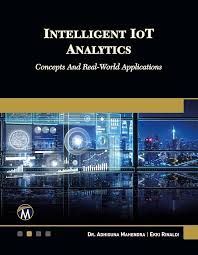
Cover of Intelligent IoT Analytics: Concepts and Real-World Applications
Connected intelligence

Intelligent IoT Analytics

Concepts and Real-World Applications

For academics and practitioners

This book teaches how to design intelligent IoT analytics systems in practice—from connected sensors, streaming pipelines and analytics to smart infrastructure, digital twin thinking, and real-world operational use cases. It supports classroom learning while also serving architects, IoT engineers, smart-city teams, and practitioners designing AI-powered cyber-physical systems.

Each companion repository will grow into a practical support hub with slides, design notes, examples, and other materials for both educational use and professional system design. Amazon links open the corresponding product listings.

The engineering mission

Designing intelligence that lives in the real world.

Most AI publications focus on software running in clean, insulated environments. Intelligent Systems Engineering is about designing complete systems that perceive, reason, and act in messy physical reality—combining hardware, cyber-physical architecture, and AI models into useful operational intelligence.

01 / PHYSICAL

Design the sensing system

Optics, cameras, sensor networks, field deployment, edge devices, compute constraints, and the realities of operating in the physical world.

02 / CYBER-PHYSICAL

Design the system architecture

Streaming pipelines, connectivity, storage, edge and cloud infrastructure, security, operational workflows, and human-in-the-loop decision systems.

03 / AI MODELS

Design the intelligence layer

Computer vision, IoT analytics, multimodal models, digital twins, state estimation, world models, and the foundations of Physical AI.

Design horizon: Multimodal AI · Digital Twins · World Models · Physical AIThe Hub will expand around these themes with practical materials, design guidance, and future educational offerings.
Open engineering

A growing hub for designing AI-powered physical systems.

IntelligentXHub will consist of valuable materials on how to design such systems: practical examples, educational notes, companion materials, and engineering guidance covering the physical layer, the cyber-physical system, and the AI models that power intelligent behavior.

Video Analytics Resources

Practical companion materials for designing video analytics systems: educational notes, design references, examples, and implementation-oriented support aligned with the IVA book.

View IVA repository ↗

IoT Analytics Resources

Practical companion materials for designing intelligent IoT analytics systems: connected-system architectures, analytics concepts, design references, and implementation-oriented support aligned with the IIA book.

View IIA repository ↗

For Educators & Researchers

Follow the broader Intelligent Systems Engineering direction: physical system design, cyber-physical architectures, multimodal AI, AI-powered digital twins, and future world-model-driven systems.

Follow the Hub direction ↗

“Intelligent systems are not just models. They are engineered connections between sensors, computation, decisions, and the physical environments they serve.”

THE INTELLIGENTXHUB PERSPECTIVE
Meet the author

Engineering experience beyond the laboratory.

Dr. Adhiguna Mahendra is an AI researcher, engineering leader, and international technical author with more than two decades of experience spanning computer vision, machine learning, intelligent video systems, and smart-city AI initiatives.

His background includes doctoral research in France, advanced graduate training in computer vision and robotics, industry AI leadership, and public-sector data and AI strategy. His published technical work connects model development with real deployment and operational constraints.

Through IntelligentXHub and the Intelligent System Design newsletter, he shares engineering analysis, system-design methods, lessons from practice, and evolving ideas at the intersection of physical systems, cyber-physical architectures, multimodal AI, digital twins, and real-world intelligent infrastructure.
Free technical publication

Intelligent System Design

Go beyond high-level AI hype. Receive engineering insights into how AI-powered physical systems are designed in practice: video systems, sensors, edge acceleration, IoT infrastructure, multimodal models, AI-powered digital twins, and the evolving field of Physical AI.

Written by Dr. Adhiguna Mahendra. Subscribe for new articles, open resource releases and updates on upcoming courses.

Subscribe on Substack ↗
Coming soon

From books to practical system-design capability.

Self-paced certification-oriented learning experiences are in development. These courses will extend the books with additional design guidance, companion materials, and implementation-focused learning for building AI-powered physical and cyber-physical systems.

Coming soon · Self-paced

Intelligent Video Analytics Design

A practical, structured path from site requirements and CCTV networks to compute sizing, AI inference architecture, operational workflows, and deployment planning for real-world Intelligent Video Analytics systems.

  • Engineering design scenarios
  • Architecture and sizing exercises
  • Advanced companion materials and assessed projects
Coming soon · Self-paced

Intelligent IoT Analytics Design

Develop connected-system architectures across sensor networks, streaming analytics, edge/cloud infrastructure, smart assets, and digital twin integration for real-world Intelligent IoT Analytics systems.

  • IoT architecture and data pipeline design
  • Smart infrastructure and digital twin exercises
  • Advanced companion materials and assessed projects

Certification format, curriculum, assessment criteria and launch dates will be announced when finalized. No course enrollment or payment is currently offered here.